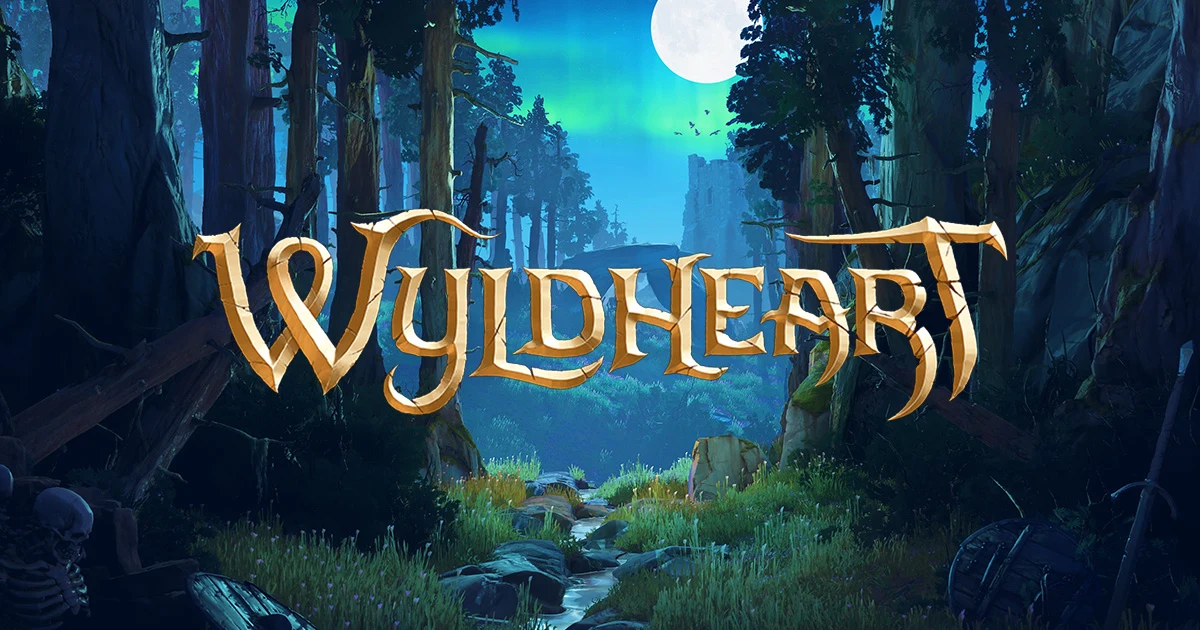
- Wyldheart open world: Caerwyn offers 100+ areas explored in a non-linear, rumor-driven structure
- No fixed route: Progress is guided by towns, villagers, rumors, and your own readiness
- Prepare in town: Equipment crafting, cooking, and supplies before every expedition
- Dungeons reward planning: Enter with healing, gear, and skills matched to expected encounters
- Solo or 4-player co-op: Drop-in/drop-out online co-op supports shared exploration
How the Wyldheart Open World Works
The Wyldheart open world is the rustic fantasy realm of Caerwyn, the setting for Wayfinder Studios' co-op action RPG. Instead of a single linear storyline corridor, Caerwyn is organized around towns, wilderness regions, ruins, and dungeons that you approach based on clues, rumors, and your current level of preparation. With 100+ areas to discover, exploration is not a side activity — it is the core engine of character growth, equipment upgrades, and story progression.
Video Highlights:
- Official introduction to the world of Caerwyn
- Co-op exploration and character growth systems
- Preview of dungeons, crafting, and quest-driven advancement
| Open World Element | What It Provides | How It Drives Progress |
|---|---|---|
| Towns | Hubs for quests, crafting, vendors, conversations | Preparation and quest triggers between expeditions |
| Villagers | Rumors, schedules, local requests | Hidden quest leads and non-linear objectives |
| Wilderness | Resources, encounters, routes to new areas | Materials for gear, cooking, and upgrades |
| Ruins | Environmental clues and hidden exploration | Optional challenges and lore discovery |
| Dungeons | Focused combat challenges | Rewards that support future progression |
Side paths and unusual landmarks often hide ruins and leads that never appear as direct quest markers. Treat unexplained entrances and environmental details as exploration invitations, not decoration.
Non-Linear Exploration Systems
Wyldheart's quest design follows rumors and readiness rather than a fixed checklist. The result is an open world where returning to previously visited areas is a normal and often rewarding part of play.
Towns and Villagers
- Return often: conversations and requests change over time
- Combine quest progress with crafting and restocking
- Villager schedules can affect when leads appear
Rumors and Quest Triggers
- Talk to villagers before leaving an area
- Record names, locations, and hints mentioned in dialogue
- Revisit old locations when a new rumor changes their context
Ruins and Hidden Content
- Search side paths instead of the most direct route
- Track areas that need better preparation before a return visit
- Environmental clues often point toward optional objectives
| Exploration Activity | When to Choose It | Main Reward |
|---|---|---|
| Gathering trip | Low on materials or food | Resource reserve for upgrades |
| Town visit | Quest unclear or gear outdated | Preparation, new leads |
| Quest investigation | Clear rumor and adequate supplies | Story and progression |
| Deep exploration | Well-equipped and informed | Hidden areas, lore, rare finds |
When a quest becomes too demanding, the correct answer is usually not brute force. Explore nearby areas, improve your equipment, and revisit your skill choices before pushing into dangerous territory.
Step-by-Step: Exploring Caerwyn Efficiently
Follow this repeatable expedition loop to get the most out of the open world without wasting resources.
Prepare in Town
Review your objectives, craft or upgrade equipment, cook meals, and organize supplies. Confirm you have healing resources and inventory space before departing.
Follow Current Rumors
Check which rumors and villager requests are active. Choose a destination that matches your supplies and combat readiness rather than the most distant marker.
Explore the Route, Not Just the Goal
Gather resources along the way and investigate side paths, landmarks, and ruins. Exploration during travel reduces the need for dedicated farming trips later.
Clear the Objective
Complete the quest, dungeon, or encounter using positioning, timed abilities, and controlled resource spending. Retreat and regroup when an encounter turns unfavorable.
Return, Restock, and Record
Head back to town, process new materials, upgrade gear, and note unresolved rumors or unexplored routes for the next expedition.
In 1-4 player co-op, run the same loop as a group: coordinate destination, split preparation duties, and reassess supplies whenever party size changes through drop-in/drop-out play.
Dungeons and Dangerous Areas
Dungeons are the most demanding destinations in the Wyldheart open world, and they reward preparation over improvisation.
| Dungeon Readiness Check | Why It Matters |
|---|---|
| Healing supplies stocked | Sustained encounters drain resources fast |
| Equipment upgraded for the area | Survivability and damage must match the threat |
| Combat resources managed | Avoid spending every ability in the first fight |
| Expected enemies identified | Weapon range and skill choice should fit encounters |
| Retreat plan accepted | A controlled retreat beats a wiped expedition |
Each encounter inside a dungeon is part of a larger resource-management problem. Entering with a plan for healing, gear, and ability usage matters more than raw character power.
Exploration Readiness Checklist
Before Every Expedition:
- Healing supplies and food prepared
- Equipment upgraded for the target area
- Active rumors and leads reviewed
- Inventory space reserved for gathered resources
- Unresolved routes and ruins recorded for return trips
FAQ
Q: Is the Wyldheart open world fully non-linear?
Exploration in Caerwyn is not limited to a single linear route. Towns, rumors, villager schedules, and your own readiness determine where you go next, and returning to earlier areas as new information appears is a normal part of progression.
Q: How many areas can I discover in Caerwyn?
Official material for Wyldheart lists more than 100 areas to discover, spanning towns, wilderness regions, ruins, and dungeons.
Q: Can I explore the open world in co-op?
Yes. Wyldheart supports solo play and online co-op for up to four players with drop-in/drop-out sessions, shared cloud saves, and team-based progression, making open world exploration a flexible group activity.
Q: What should I do when an area is too difficult?
Step back, gather resources in safer regions, upgrade your equipment, and revisit your skill choices. Quest progression and exploration are meant to stay in balance so you advance only when prepared.